Skip to content

At a Glance.

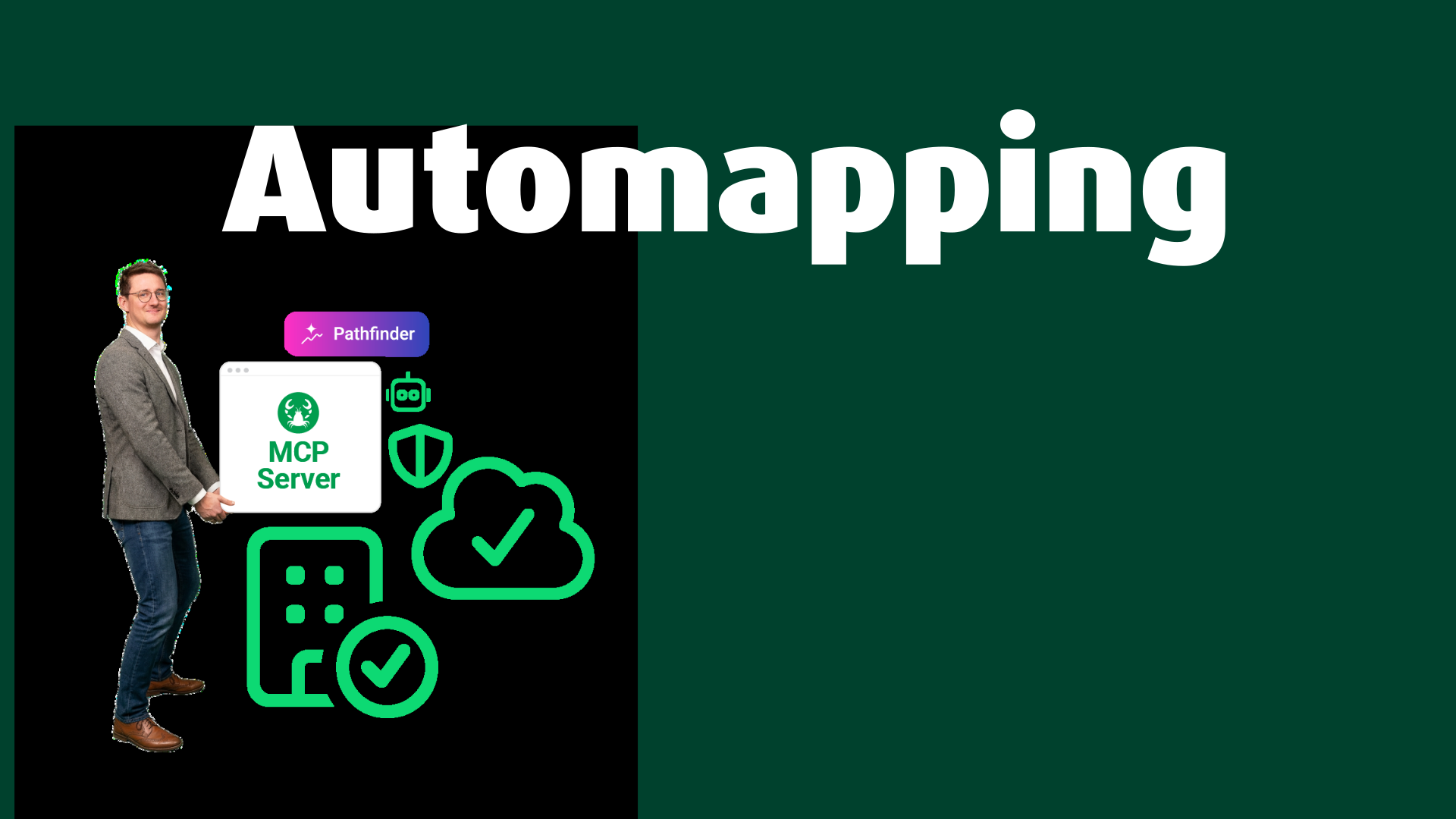
  • Pathfinder Automapping: Pathfinder generates a data mapping between source and target, with a field-level confidence score on every assignment. You review and apply. It works with any format the platform can handle.
  • Platform Portal: restart your instance, view monitoring data, manage firewall rules, and schedule maintenance yourself, without opening a support ticket.
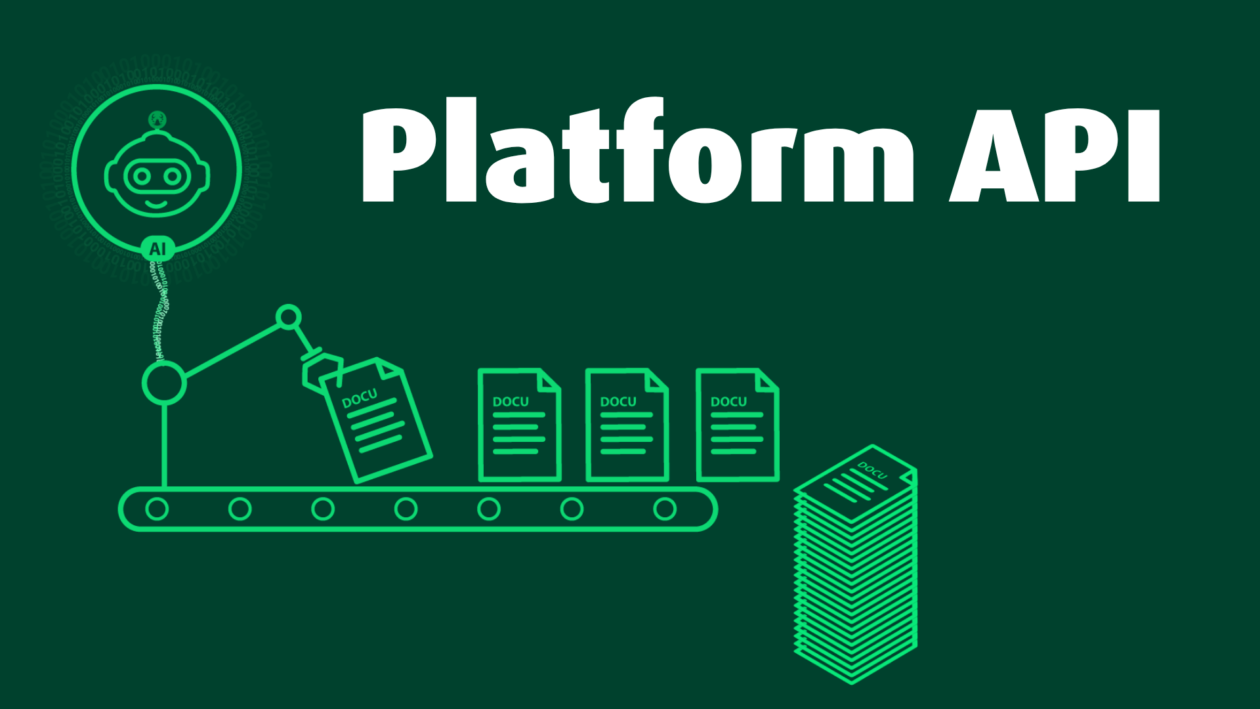
  • Platform API (first release): read-only APIs for profiles and partner channels, open to external tools and AI agents.
  • Trading Partner Manager: HTTPS channel management with OpenID, OAuth2, certificates, secret storage, and custom headers, plus a redesigned client and host setup.
  • Security: OAuth2 authentication for AMQP connections.
  • More: Process Map export, the design system in the form designer, refreshed light and dark UI themes, and SSO and login improvements.

The Work That Slows Teams Down.

Every integration team runs into the same bottlenecks. Building a mapping from scratch takes days, and every new partner or schema change starts the cycle again. Cloud customers open a support ticket to restart a service, check system health, or change a firewall rule, all routine operations that should not mean waiting on someone else. And any tool or agent that wants to work with the platform has had to go through the interface, with no programmatic route in.

Summer Release 26.3 takes on all three. It brings AI-generated mapping into the daily workflow, gives Cloud customers their first self-service portal for instance operations, and ships the first Platform APIs so external tools and agents can read the platform directly. Around those three, there is a broad set of improvements across Trading Partner Manager, security, design, and connectivity.

Pathfinder Automapping: AI That Generates Your Data Mappings.

Data mapping is the bottleneck in integration work, and the work is mechanical. Your team knows the source format and they know the target, but mapping between them field by field is what eats the time. Each new trading partner, each new API connection, each schema update adds another round of manual translation. An experienced engineer on a clean spec needs two to three days. A complex one takes longer. And every mapping built by hand tends to live mostly in the head of the person who built it.

This is the problem Pathfinder Automapping was built to solve. Pathfinder is the AI in the Lobster Data Platform. Until now it has worked alongside you as a co-pilot, helping you find functions, write queries, and build patterns in plain language. In 26.3 it takes on data mapping itself. Pathfinder Automapping reads your source and target formats and proposes a mapping between them, in the context of your actual profiles. You provide the specifications, Pathfinder analyses the field relationships and generates the mapping, and you review and adjust it before applying. The mechanical translation moves from days to an afternoon of review, and your experts spend their time on the edge cases and business logic where their judgement actually counts.

To keep that review honest, every proposed assignment carries a field-level confidence score. You can see which assignments Pathfinder is most certain about, where confidence is lower, and where to focus your attention first. That keeps a person in the loop and makes the result far easier to validate than a large block of generated code you are asked to trust on faith.

Key capabilities:
  • AI-generated field mapping: Pathfinder proposes source-to-target mappings from format understanding and semantic context, in the context of your actual profile.
  • Review before applying: the mapping is always a proposal. Every field assignment is visible and editable before anything is written to the profile.
  • Field-level confidence scoring: each assignment comes with a confidence indication, so your team can judge trust, prioritise review, and validate the result with far more transparency.
  • Execution validation: test the proposed mapping against sample data before you commit. Output is validated against the target schema, so issues surface before production.

Why it matters: Pathfinder Automapping removes the mechanical burden, so expert time goes to the decisions that need judgement. It does not replace the expert, and the field-level confidence score keeps a person in control of the result. For teams running many integrations at once, this compounds with every project, and each new partner or format change is faster than the one before. This is the first release, and we will keep improving accuracy and building on the architecture through 2026 and 2027.


Platform Portal: Your Instance, Your Control.

Today, Lobster Cloud customers open a support ticket to restart an instance. They open a ticket to check system health, adjust a firewall rule, or schedule a maintenance window. None of these are complex tasks. They simply have not had a customer-facing interface, until now. The Platform Portal gives Cloud customers direct operational control, at no additional cost, and brings the work that used to sit in the support queue to your own team, on your own timeline.

Key capabilities:
  • Service restart: restart your instance on your schedule. The graceful shutdown sequence protects running jobs, and you can schedule restarts in advance to hit a maintenance window.
  • Instance monitoring: real-time CPU, memory, disk I/O, and database metrics, the data you used to have to ask for. Metrics are also available via OpenTelemetry for your existing monitoring stack.
  • Firewall management: view and update firewall rules directly. Changes apply immediately, with rollback available.
  • Maintenance windows: define your preferred time slots and schedule planned operations within them.
  • Action history and audit log: every operation is logged with timestamp, user, and outcome, and you can review your own history in the portal.
  • Email confirmations: automatic notifications for restarts and configuration changes, with outcome confirmation.

Why it matters: Support tickets for routine operations cost time and create delays. The Platform Portal removes the most common category of Cloud support requests, so your team acts in real time and our support team focuses on the complex issues that need expert involvement. This first release covers the core operational needs, and storage management and more capabilities are planned for future releases.

Platform API: The Platform Opens Up.

Until now, the platform’s capabilities were reachable only through the interface. A person had to be at the screen to create a profile, manage a connection, or trigger a run. That is fine for most work, but it puts a hard limit on what you can build on top of the platform. Developer tooling, external automation, and AI agents that act on your behalf have had no way in. Summer Release 26.3 is the first step toward changing that. It ships the initial set of Platform APIs, documented and authenticated endpoints that expose core capabilities programmatically. The 26.3 scope is deliberately focused: read-only APIs for profiles and partner channels.

Key capabilities:
  • Profile API: read a profile’s source-target structure programmatically, so external tools and agents can inspect it and use it in analysis, automation, or AI-supported workflows.
  • Partner channel API: query partner channel configurations from outside the interface, and bring that data into other systems, synchronisations, and broader workflows.

Why it matters: For customers and partners who want to build automation on top of the Lobster Data Platform, and for AI agents that need to act on the platform, these APIs are the foundation. We will widen the surface with every release, adding execution triggers, monitoring, profile lifecycle management, and MCP server wrapping, so that any tool can build on the platform without a person at the interface.

Further Improvements.

Beyond the three headline features, 26.3 ships a broad set of improvements. Small things compound when you are in a platform every day.

  • Trading Partner Manager, HTTPS channels: configure and manage inbound and outbound HTTPS channels, with URL validation, OpenID and OAuth2 authentication, certificate management, secure secret storage, and custom HTTP headers. The client and host setup screens get a redesigned flow with clearer controls, which takes the friction out of complex channel settings like FTPS and HTTPS.
  • Security, AMQP OAuth2: AMQP now supports OAuth2 authentication with client credentials. This is the default flow for SAP Event Mesh and a requirement for connecting the platform to SAP via AMQP for real-time event streaming.
  • Process Map export: capture your integration landscape as a document for sharing, auditing, or documentation. Export formats include PNG, SVG, JSON, and XML.
  • Design system in the form designer: the updated Lobster design system is now integrated into the form designer and editor, with typography variant controls, border and margin settings, and the updated visual language.
  • Updated UI themes: refreshed light and dark modes with refined colours, spacing, and typography for a more consistent interface. Existing custom template colours stay as they are.
  • SSO and login controls: password fields now show whether a local password is set and disable when local login is off, and two new columns show password and SSO provider status, which makes authentication audits more practical across large user bases.

With 26.3, Pathfinder takes on data mapping itself, and that is the change we would most like you to see in action.

Summer Release 26.3 is available to all Lobster Data Platform customers from 14 July 2026. Lobster Cloud installations are upgraded automatically as part of the regular upgrade cycle. For self-managed installations, we recommend upgrading your test environment before production.

Release notes: https://docs.lobstersoftware.com/docs/en/ldp-update-26-3-0

Summer Release 26.3

Let AI do the mapping, run your own Cloud instance, and build on the platform. New in Summer Release 26.3, for every Lobster Data Platform customer.

Available 14 July 2026

Install Summer Release 26.3 at your earliest convenience.

How to upgrade

We recommend upgrading your test environment first before production.

Helping hand?

Need early cloud access? Contact [email protected]

Lobster Cloud installations will be upgraded automatically as part of the May upgrade cycle.

Explore the full documentation.

Take a deep dive into what this new Release 26.3 means for you.

Read now