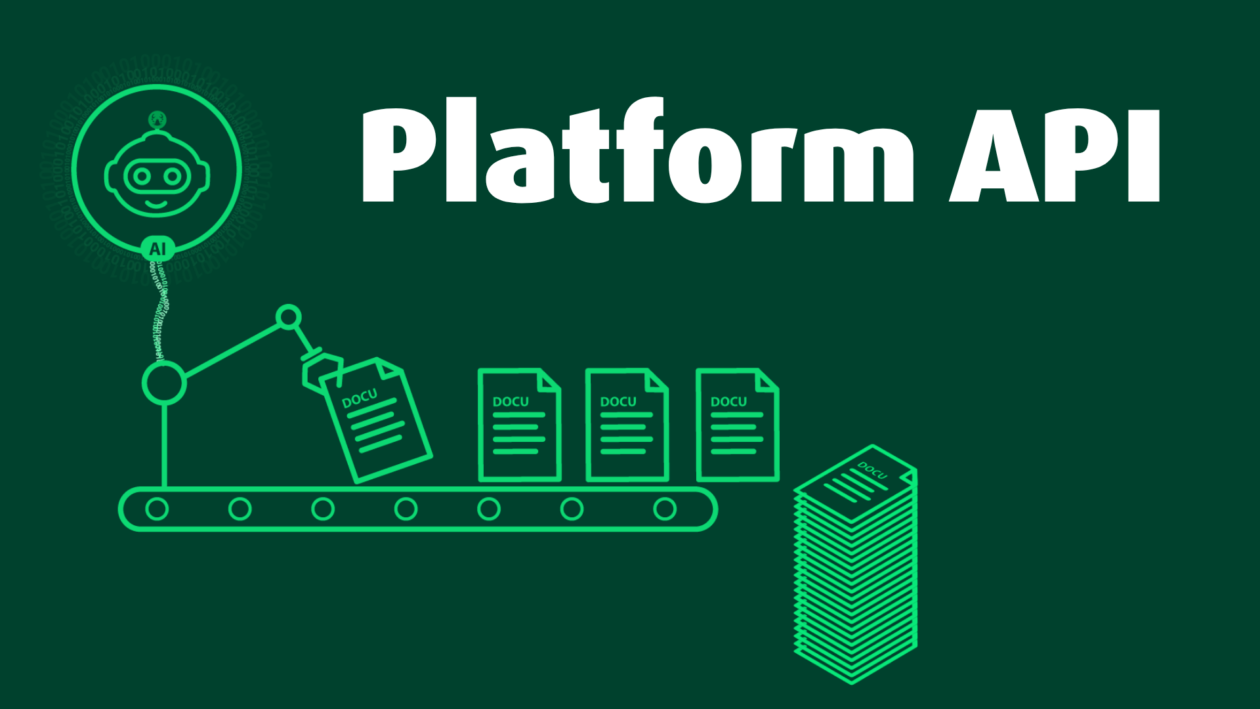
Pathfinder Automapping: AI that generates your data mappings.
Data mapping is the bottleneck in integration work, and the work is mechanical. Your team knows the source format and they know the target, but mapping between them field by field is what eats the time. Each new trading partner, each new API connection, each schema update adds another round of manual translation. An experienced engineer on a clean spec needs two to three days. A complex one takes longer. And every mapping built by hand tends to live mostly in the head of the person who built it.
This is the problem Pathfinder Automapping was built to solve. Pathfinder is the AI in the Lobster Data Platform. Until now it has worked alongside you as a copilot, helping you find functions, write queries, and build patterns in plain language. In 26.3 it takes on data mapping itself. Pathfinder Automapping reads your source and target formats and proposes a mapping between them, in the context of your actual profiles. You provide the specifications, Pathfinder analyzes the field relationships and generates the mapping, and you review and adjust it before applying. The mechanical translation moves from days to an afternoon of review, and your experts spend their time on the edge cases and business logic where their judgment actually counts.
To keep that review honest, every proposed assignment carries a field-level confidence score. You can see which assignments Pathfinder is most certain about, where confidence is lower, and where to focus your attention first. That keeps a person in the loop and makes the result far easier to validate than a large block of generated code you are asked to trust on faith.
Key capabilities:
- AI-generated field mapping: Pathfinder proposes source-to-target mappings from format understanding and semantic context, in the context of your actual profile.
- Review before applying: the mapping is always a proposal. Every field assignment is visible and editable before anything is written to the profile.
- Field-level confidence scoring: each assignment comes with a confidence indication, so your team can judge trust, prioritize review, and validate the result with far more transparency.
- Execution validation: test the proposed mapping against sample data before you commit. Output is validated against the target schema, so issues surface before production.
Why it matters: Pathfinder Automapping removes the mechanical burden, so expert time goes to the decisions that need judgment. It does not replace the expert, and the field-level confidence score keeps a person in control of the result. For teams running many integrations at once, this compounds with every project, and each new partner or format change is faster than the one before. This is the first release, and we will keep improving accuracy and building on the architecture through 2026 and 2027.



 Jethro Borsje, CPTO